Pricing your home can feel like the most stressful part of selling. Set the price too high, and you may lose valuable time on the market. Set it too low, and you risk leaving money behind. If you are selling in Alpharetta, where home values can shift a lot from one area to the next, a confident price comes from strategy, not guesswork. Let’s dive in.
Why pricing matters in Alpharetta
Alpharetta sits in a strong price range, but the market is not one-size-fits-all. As of March 31, 2026, Zillow reports a typical home value of $726,349 in Alpharetta, while Redfin shows a $736,000 median sale price for March 2026. Those numbers are helpful, but they are only a starting point because your home competes against similar properties, not the entire city.
That local context matters even more when you look at neighborhood-level variation. Zillow’s Alpharetta data shows typical values ranging from about $524,108 in Shiloh Woods to about $813,041 in Summit at Shiloh. You can explore that broader Alpharetta home values data on Zillow to see why broad averages do not tell the whole story.
Start with comparable homes
A confident list price usually begins with a comparative market analysis, or CMA. According to the National Association of Realtors consumer guide on pricing a home, a CMA uses comparable properties such as recent sales, under-contract homes, and active listings in your market area.
This matters because buyers do not judge your home in a vacuum. They compare it to homes with similar size, condition, location, features, and updates. In Alpharetta, even small differences in lot, layout, finish level, or street location can affect value.
Know what should shape your list price
The right price is not based on square footage alone. NAR notes that pricing should reflect a mix of factors, including:
- Size and location
- Amenities and overall condition
- Upgrades and renovations
- Needed repairs or deferred maintenance
- Current market conditions
- Your timeline and selling goals
If you need a quicker sale, a more competitive price may make sense. If your home has recent improvements or standout features, those may support stronger pricing, but only if the market is likely to recognize that value.
Why online estimates are only a starting point
Many sellers begin with an online estimate, and that is understandable. Zillow says a Zestimate is a market value estimate built from public data, MLS data, user-submitted details, home facts, location, and market trends. But Zillow also makes clear that a Zestimate is not an appraisal.
According to Zillow’s Zestimate information page, the national median error rate is 1.74% for on-market homes and 7.20% for off-market homes. In Zillow’s Atlanta metro table, the active-listing median error rate is 1.45%. That can still mean a meaningful dollar difference when you are pricing a home in the mid-$700,000 range.
Online estimates can be useful for a first glance, but they may struggle with homes that are unique, newly updated, hard to compare, or located in areas with fewer recent sales. That is one reason confident pricing usually requires more than an algorithm.
CMA vs. appraisal vs. online estimate
These three tools often get mixed together, but they serve different purposes.
| Tool | What it does | Best use for sellers |
|---|---|---|
| Online estimate | Computer-generated value estimate using available data | Starting point for early research |
| CMA | Market-based pricing analysis using comparable homes | Setting a smart listing price |
| Appraisal | Independent written value assessment | Lender review during a transaction |
NAR explains that a CMA is built from comparable market activity, while the Consumer Financial Protection Bureau notes that an appraisal is an independent written assessment of value. If you want to better understand what appraisals are and why they matter, the CFPB offers a helpful consumer overview.
In simple terms, the Zestimate is a starting point, the CMA is your pricing worksheet, and the appraisal is the lender’s independent check later in the process.
Condition changes the pricing conversation
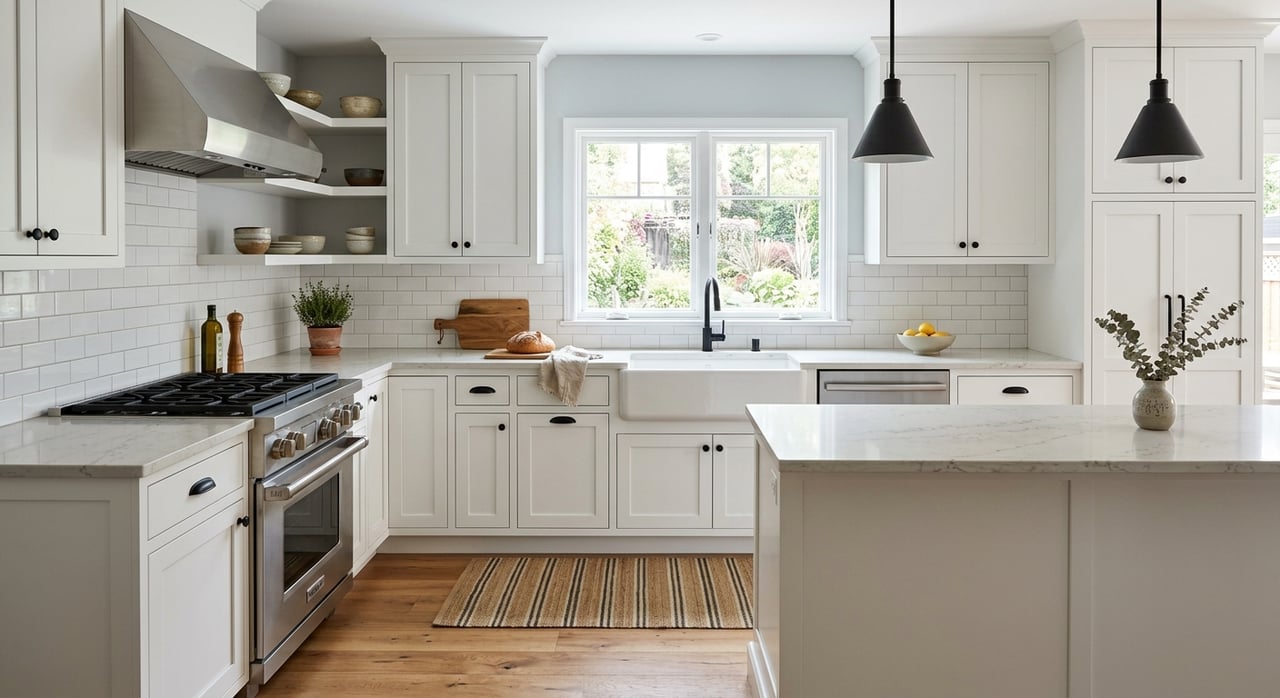
Two homes with the same floor plan can command very different prices. That is especially true when one has updated kitchens, refreshed baths, newer systems, or better overall maintenance. NAR specifically notes that upgrades, renovations, repairs, and deferred maintenance all affect pricing recommendations.
This is where thoughtful guidance can make a real difference. A homebuilding-informed perspective can help you separate updates that truly support value from projects that may not move the needle as much as you expect.
Timing matters more than many sellers think
Pricing is not static across the year. Recent Atlanta Realtors market brief data shows a spring ramp-up across the metro area, with new listings increasing from 9,522 in April 2025 to 9,661 in May, while inventory grew from 18,611 to 19,959 units and months’ supply reached 4.5 in May.
For Alpharetta sellers, that is a useful directional signal. Spring can bring more buyer activity, but it also brings more competing listings. When inventory rises, an overpriced home may stand out for the wrong reasons.
That is why the same property might deserve a different pricing strategy in winter than it would in late spring. Timing is part of the pricing decision, not just the launch date.
What the current Alpharetta market suggests
Redfin describes Alpharetta as a somewhat competitive market. In March 2026, homes received about 2 offers on average, sold in around 38 days, and had a 98.1% sale-to-list ratio. Those conditions suggest buyers are active, but they are still paying attention to value.
In a market like that, overpricing can slow momentum. A home that starts too high may require a price reduction later, and that can weaken buyer perception. A well-priced home has a better chance of attracting serious attention early, when your listing is freshest.
Signs your price may be too high
Even in a healthy market, the market gives feedback quickly. You may need to revisit your price if you notice:
- Strong online views but very few showing requests
- Showings without serious follow-up or offers
- Comparable homes going under contract while yours sits
- Consistent buyer comments about price
- A need for multiple reductions with no change in activity
Price is not always the only issue, but it is often the first one to examine. Buyers usually notice value gaps faster than sellers do because they are comparing several homes at once.
How to price with confidence
A smart pricing plan usually follows a few clear steps:
Review the right comps
Look at recently sold homes first, then compare them to under-contract and active listings. The goal is to understand where your home fits in today’s market, not where you hope it fits.
Adjust for real differences
Not all square footage is equal. Updates, lot characteristics, layout, condition, and location within Alpharetta can all affect value.
Factor in your goals
If timing matters, your price should reflect that. NAR notes that a faster sale often requires a more competitive asking price.
Prepare before listing
Condition and presentation influence price. If repairs, touch-ups, or staging can improve buyer response, that work may support a stronger launch.
Watch the early response
The first days on market often tell you a lot. If the response is weaker than expected, adjusting early may protect your final outcome better than waiting.
What happens if the appraisal comes in low
Sometimes a home attracts a buyer at a strong price, but the appraisal comes in below the contract amount. According to the CFPB, buyers are entitled to receive copies of appraisals and opinions of value, and a low appraisal can lead to renegotiation or a closer review of the report.
If that happens, the next step is usually to review the appraisal carefully, ask questions, and consider whether renegotiation makes sense. It is one more reminder that pricing should aim to attract buyers and hold up under lender scrutiny.
Why local judgment matters
Data matters, but so does interpretation. Zillow itself recommends supplementing an online estimate with a professional appraisal or CMA, and NAR notes that agents may offer slightly different pricing recommendations based on local knowledge and judgment.
In Alpharetta, that local knowledge is especially important because pricing can change so much by micro-market. The strongest strategy usually combines hard data, neighborhood context, property condition, and your personal goals.
If you want to price your Alpharetta home with more clarity and less stress, working with an experienced local advisor can help you make decisions with confidence. Kenna Daws combines deep Metro Atlanta market knowledge, a high-touch approach, and practical insight on condition and value to help sellers create smart pricing strategies and strong first impressions.
FAQs
How should you price a home in Alpharetta, GA?
- The best way to price a home in Alpharetta is to use comparable sold, under-contract, and active listings, then adjust for condition, updates, location, and your selling timeline.
What is the average home value in Alpharetta, GA?
- Zillow reported a typical home value of $726,349 for Alpharetta as of March 31, 2026, while Redfin reported a March 2026 median sale price of $736,000.
Are Zillow estimates accurate for Alpharetta home pricing?
- Zillow estimates can be useful as a starting point, but Zillow says a Zestimate is not an appraisal and may be less reliable for off-market, unique, or hard-to-compare homes.
What factors affect your Alpharetta listing price most?
- Key pricing factors include size, location, condition, amenities, upgrades, needed repairs, current market conditions, comparable sales, and your timeline for selling.
What happens if your Alpharetta home appraises low?
- If an appraisal comes in below the contract price, the buyer and seller may review the report, ask questions, and consider renegotiating based on the appraised value.