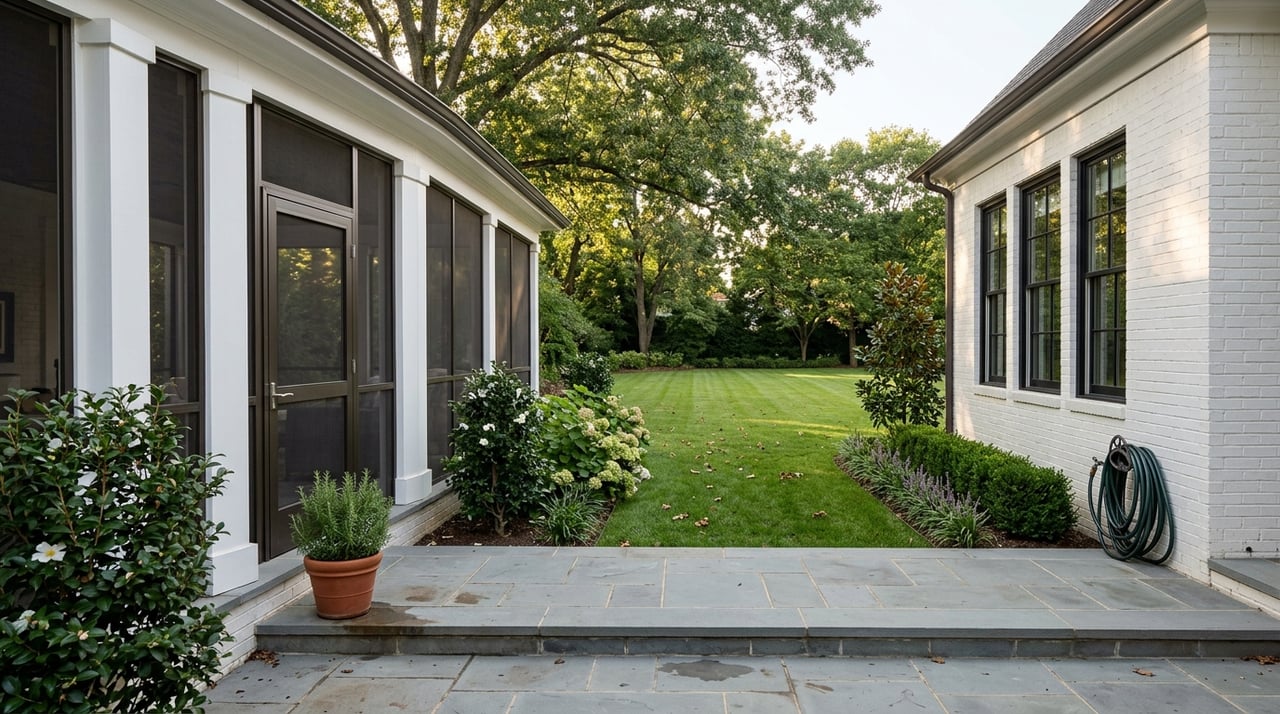
Thinking about a move to Johns Creek? You are not alone. For many relocation buyers, this part of north Fulton stands out because it offers an established suburban setting, a largely owner-occupied housing base, and practical access to both local job centers and the broader Atlanta region. If you want a clearer picture of what daily life, home shopping, and the buying process can really look like here, this guide will walk you through the essentials. Let’s dive in.
Why Johns Creek Draws Relocation Buyers
Johns Creek is about 25 miles north of Atlanta in northeastern Fulton County and covers 32 square miles. Census QuickFacts lists a 2025 estimated population of 80,401, an owner-occupied housing rate of 80.4%, a median household income of $160,093, and a mean travel time to work of 30.1 minutes. In practical terms, that points to a suburban market where many residents own their homes and where commute planning matters.
If you are moving from out of state or from another part of Metro Atlanta, Johns Creek often feels established rather than brand new. The city profile describes housing that is predominantly single-family detached, with townhome subdivisions in the western and central sections. Most homes were built between 1980 and 2000, so your search may include more resale homes and mature neighborhoods than large-scale new construction.
Start With City Limits and ZIP Codes
One of the most useful facts for relocation buyers is also one of the easiest to miss. Johns Creek residents use five ZIP codes, so a mailing address alone does not always tell you whether a property is actually within Johns Creek city limits. The city recommends confirming the exact property address rather than relying only on the ZIP code or mailing city.
This matters when you are comparing homes, school attendance zones, commute routes, and local services. Before you get too attached to a listing, make sure the address aligns with the location details that matter most to your move.
Commute Planning Should Be a Priority
If your work schedule depends on a smooth drive, Johns Creek rewards careful route testing. The city’s Public Works department manages 252 miles of roads, 20 bridges, and nearly 100 miles of trails and sidewalks, with active transportation work centered around Abbotts Bridge Road, Jones Bridge Road, McGinnis Ferry Road, Medlock Bridge Road, and Town Center connections.
The city’s revitalization planning identifies SR-141/Medlock Bridge Road and State Bridge Road as the highest-volume traffic corridors, with roughly 44,500 and 39,000 vehicles per day, respectively. If you expect to travel during rush hour, corridor choice can shape your day as much as the house itself.
A smart relocation visit includes driving your likely route at the actual time you would use it. That simple step can help you understand whether a home that looks perfect online also works for your real routine.
Johns Creek Is Also a Job Center
Some buyers think of Johns Creek mainly as a residential suburb, but it is also an employment center. The city profile estimates 28,166 jobs, with major employers including Alcon Laboratories, Emory Johns Creek Hospital, Macy’s Systems and Technology, Atlanta Athletic Club, and Nordson Corporation.
Many jobs are concentrated in Technology Park along SR 141/Medlock Bridge Road and near commercial centers at major intersections. The city’s long-range planning also points to a more walkable future in and around Technology Park and Johns Creek Town Center, including a new 40-acre mixed-use retail district. For buyers who want easier access to work, errands, and dining, these areas may deserve a closer look.
What Daily Life Looks Like
Relocating is not just about the house. It is about whether everyday life feels manageable once the boxes are unpacked. Johns Creek puts a strong emphasis on parks, trails, and public amenities, which can shape how you spend your week.
The city highlights places like Cauley Creek Park, the Boardwalk at Town Center, Newtown Dog Park, and a trail network that connects parks, schools, shopping, and employment centers. If you enjoy getting outside, these amenities can become part of your daily rhythm rather than an occasional weekend destination.
For basic services and community resources, Johns Creek also has two Fulton County Library branches: Ocee Library and Northeast/Spruill Oaks Library. Healthcare access is anchored by Emory Johns Creek Hospital, which says it is a 167-bed community hospital with more than 1,800 doctors and 70-plus specialties.
Schools and Address Verification
If school attendance is part of your move, address-level verification is important. Johns Creek residents attend Fulton County Schools, and the city says 11 public elementary schools and four high schools serve residents in or immediately adjacent to Johns Creek.
School assignment depends on attendance zones, not just the broader city name. That means two homes that seem close together online may not be assigned the same schools. If schools are one of your top decision points, confirm the specific attendance information for each address you consider.
What the Housing Market Feels Like
Johns Creek is not a one-size-fits-all market. Census QuickFacts shows a median value of owner-occupied housing units of $629,400, which gives you a broad affordability benchmark. Still, values can vary based on corridor, attendance zone, HOA structure, lot characteristics, and renovation level.
Because much of the housing stock was built between 1980 and 2000, condition can vary from house to house. You may see a mix of well-maintained original interiors, partial updates, and more fully renovated homes. This is where a practical eye helps, especially if you are trying to compare cosmetic appeal with long-term value.
For many relocation buyers, one of the biggest advantages here is choice within an established environment. You can often compare different sections of the city based on commute, layout, lot size, and daily convenience rather than only on whether a home is newly built.
How to Structure a Relocation Visit
A quick drive-through is rarely enough to understand Johns Creek. A better approach is to organize your visit around the life you expect to live after closing.
Here is a practical way to do that:
- Drive your likely commute at the actual time of day you would travel.
- Visit a nearby grocery store or shopping area you would use regularly.
- Stop at a park, trail, or library branch to get a feel for the area.
- Verify the exact property location and city limits.
- If relevant to your move, confirm school attendance by address.
This kind of visit gives you more than a first impression. It helps you decide whether the home works with your schedule, routines, and priorities.
Utility and Move-In Logistics
Once you are serious about a move, the setup details matter. Johns Creek’s New Residents information says water service is through Fulton County Water, electricity is through Georgia Power or Sawnee Electric, gas is through certified gas marketers, and garbage collection is handled by private haulers.
The city also notes that all Johns Creek property owners pay property taxes to Fulton County. In addition, alarm systems must be registered. These are small details, but they are exactly the kind of things that can make your first few weeks in a new home feel either smooth or stressful.
What to Expect During the Buying Process
If you are financing your home purchase, preparation helps. CFPB advises buyers to compare at least three mortgage preapprovals. It also says the lender generally sends a Loan Estimate within three business days after receiving the key application information, and buyers should receive a Closing Disclosure at least three business days before closing.
Inspection and appraisal are also part of the process for many financed purchases. CFPB says a lender generally requires an appraisal, and if the inspection or appraisal uncovers major repair issues, the path to closing can become more complicated.
In Georgia, the closing process has its own important local detail. The State Bar says the closing lawyer must control the real estate closing process from beginning to end. So if you are moving from a state with a different setup, expect an attorney-managed closing rather than a simple document-signing appointment.
Your Post-Closing Checklist
Closing day is a milestone, but it is not the end of the work. After you buy, there are a few practical steps to handle quickly so your move stays on track.
Your post-closing checklist should include:
- Transfer water, power, gas, and garbage service.
- Register any alarm system if needed.
- Review your property tax setup through Fulton County.
- Check homestead exemption timing if the home is your primary residence.
- Update your address where needed.
For primary-residence buyers in Fulton County, the homestead exemption deadline is April 1. Fulton County says exemptions renew automatically each year as long as the owner continues to occupy the home under the same ownership.
A Practical Way to Relocate With Confidence
Moving to Johns Creek can be a smart fit if you want an established suburban market with strong daily-life infrastructure, a wide base of single-family homes, and practical access to both local employment and the broader Atlanta area. The key is to evaluate more than the listing photos. You want to understand the roads you will drive, the services you will use, and the rhythm of the area you are choosing.
That is where local guidance can make a real difference. If you want help narrowing your search, comparing Johns Creek options, or planning a relocation visit that actually answers your biggest questions, Kenna Daws can help you move forward with clarity.
FAQs
What should you verify before buying a home in Johns Creek?
- Confirm the exact property address, city limits, ZIP code details, commute routes, and if relevant to your move, the school attendance zone for that specific address.
What is the housing stock like in Johns Creek?
- Johns Creek is predominantly made up of detached single-family homes, with some townhome options in the western and central parts of the city, and many homes were built between 1980 and 2000.
What are the main commute corridors in Johns Creek?
- Key roads include Abbotts Bridge Road, Jones Bridge Road, McGinnis Ferry Road, Medlock Bridge Road, SR-141, and State Bridge Road, with SR-141 and State Bridge carrying especially high traffic volumes.
What utilities and services do new Johns Creek residents need to set up?
- New residents typically need to arrange Fulton County Water, electricity through Georgia Power or Sawnee Electric, gas through a certified marketer, and garbage service through a private hauler.
What is different about the closing process in Georgia?
- In Georgia, the closing lawyer manages the real estate closing process from start to finish, so buyers should expect an attorney-managed closing.
When should a Fulton County homeowner apply for homestead exemption?
- If the home is your primary residence, Fulton County says the homestead exemption application deadline is April 1.