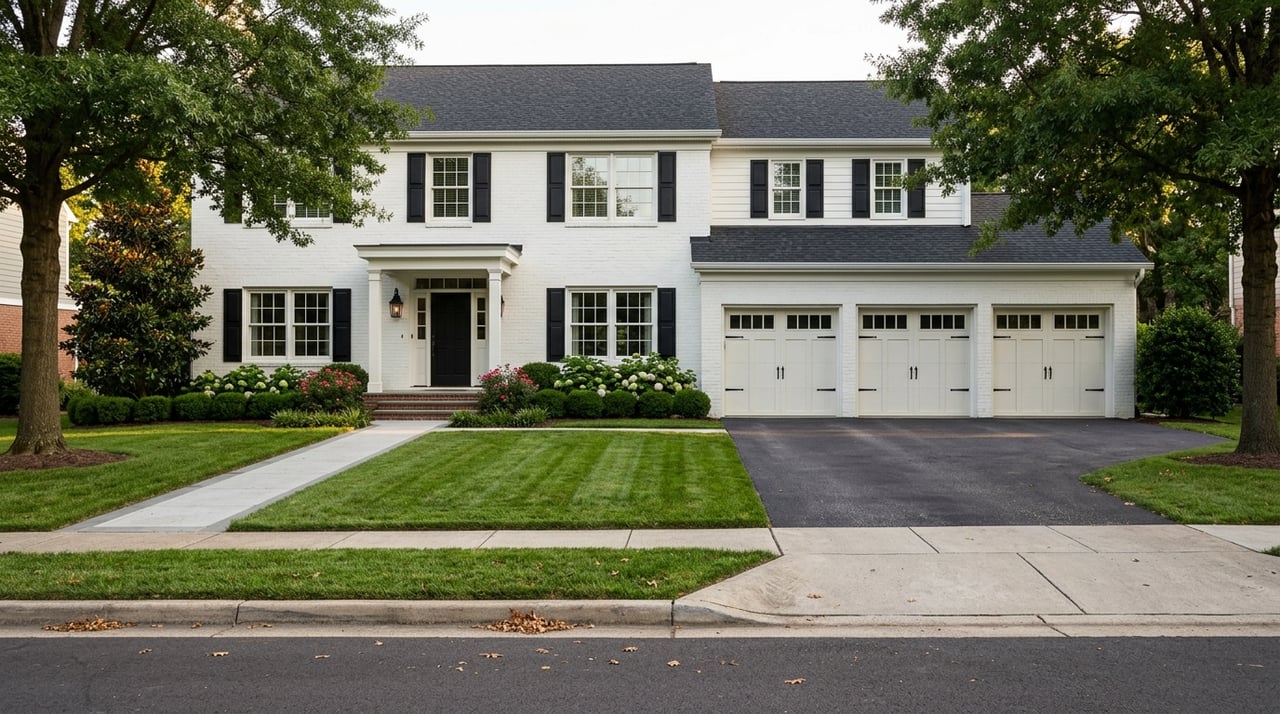
Wondering whether you should spend your pre-listing budget on fresh paint or on the less glamorous parts of your home? In East Cobb, the smartest answer is often structural prep first. If you want fewer surprises, stronger buyer confidence, and a smoother path to closing, it helps to focus on the issues buyers and inspectors are most likely to flag. Let’s dive in.
Why structural prep matters
In East Cobb’s unincorporated areas, Cobb County enforces building codes for residential construction, additions, and remodeling. That means buyers may pay close attention to whether past work appears properly completed and whether you can document repairs, updates, and permitted improvements.
A pre-sale inspection is not required, but it can be a practical step before you list. Buyers often use inspection results to request repairs or credits, and inspection issues can affect whether a deal keeps moving. When you identify concerns early, you have more control over what to fix, what to disclose, and how to price your home.
This matters even more if your home has older systems, visible wear, or additions made over time. As a seller, you are usually in a better position when you address major condition concerns before they become a last-minute negotiation point.
Start with water and drainage
If you only tackle one category first, make it water management. Cobb County’s stormwater and flood-risk materials show that water can be a real local issue, and the county notes that the 2009 flood damaged more than 1,600 homes countywide.
Before listing, walk the exterior of your property and look for anything that suggests water is not moving away from the house properly. Gutters, downspouts, grading, and low spots near the foundation deserve careful attention because buyers often see water-related signs as a warning of larger problems.
Inside and outside the home, watch for common red flags such as:
- Damp crawlspaces
- Basement staining
- Peeling paint near windows
- Soft or damaged trim
- Soil sloping toward the house
- Standing water near the foundation
Cobb County also states that property owners are responsible for keeping open drainage easements clear. If your property includes one, make sure it is maintained and free of debris before your home hits the market.
Review the roof and exterior shell
After drainage, turn to the parts of the home that protect it from the elements. Buyers and inspectors often look closely at the roof, flashing, siding, fascia, and windows for signs of wear, patching, or possible past leaks.
You do not need to make every exterior feature look brand new. You do want to be ready to answer basic questions about condition, age, repairs, and maintenance. If a roof repair was completed recently or a leak was addressed, keep that paperwork in your file.
Visible signs of deferred exterior maintenance can raise buyer concerns quickly. Even small issues can lead buyers to wonder whether there may be hidden moisture damage behind the walls or in the attic.
Service key systems before listing
Your HVAC, plumbing, and electrical systems may not photograph well, but they matter during inspections and negotiations. Visible leaks, wiring issues, or signs of poor maintenance can become major discussion points once a buyer is under contract.
Routine HVAC maintenance is especially helpful before listing. A recently serviced system signals that the home has been cared for, and buyers often view that as one less near-term expense to worry about.
If you are repairing or updating systems now, pay attention to Cobb County’s permitting and inspection requirements for unincorporated areas. The county coordinates inspections for work involving systems like HVAC and plumbing when applicable, so it is wise to use qualified professionals and keep records of completed work.
Don’t overlook termites and wood rot
In Georgia, wood-destroying organism concerns deserve real attention. The Georgia Department of Agriculture says the Official Georgia Wood Infestation Inspection Report is the basis for transfer of real property in the state, and it can only be issued by a licensed pest-control company.
That report covers termites, beetles, and wood-decay fungi. In practical terms, if you see soft wood, damaged trim, or suspicious areas on a deck, porch, or other attached structure, it is worth investigating before a buyer does.
If your home has attached outdoor features, make sure the inspection includes them. Buyers may be especially sensitive to any sign of wood damage because pest concerns can feel expensive and disruptive, even when the issue is limited.
Be careful with older homes
If your home was built before 1978, lead-based paint rules apply. That does not mean you cannot prepare or improve the home before selling, but it does mean cosmetic work should be handled thoughtfully.
According to the EPA, renovation or repair work in pre-1978 homes can create dangerous lead dust. If you are planning touch-ups or updates in an older home, lead-safe practices matter, and buyers may also expect the required disclosure information during the sale process.
Gather permits and repair records
One of the easiest ways to build buyer confidence is to organize your paperwork before the listing goes live. In East Cobb, where county-permitted work can carry extra weight, documentation helps support your asking price and reduces uncertainty.
Try to collect records for:
- Roof work
- HVAC service and replacement
- Plumbing repairs
- Electrical work
- Remodeling or additions
- Pool-related work, if applicable
- Driveway or retaining wall approvals, if applicable
- Pest inspections and treatment records
- Warranties and service dates
A simple repair file with invoices, permit numbers, inspection reports, and warranty information can make a big difference. When buyers ask questions, clear records help you respond quickly and keep negotiations focused.
Know what buyers will ask
Most buyers are not just evaluating finishes. They are also trying to understand risk, future costs, and whether the home has been maintained over time.
For East Cobb homes, expect buyer questions around water intrusion, flood history, roof age, HVAC service, water heater age, plumbing updates, electrical work, termite treatment, and whether remodels or additions were permitted and inspected. If the home was built before 1978, buyers may also ask about lead-based paint disclosures and any lead-safe repair records.
When you are prepared with honest answers and organized documentation, you reduce friction. That can help support stronger offers and fewer repair-related surprises later.
Focus on repairs before cosmetics
Fresh paint and styling still matter, especially when you want strong online presentation and great showing photos. But if you are deciding where to spend first, structural and systems prep usually deserves priority over purely cosmetic upgrades.
A clean inspection is not always realistic, and not every issue needs to be fixed before you list. The goal is to address the items most likely to affect buyer confidence, financing, or negotiation leverage.
A practical priority order for many East Cobb sellers looks like this:
- Water intrusion and drainage issues
- Roof and exterior leak risks
- HVAC, plumbing, and electrical concerns
- Termite, wood rot, and pest-related issues
- Permit and repair documentation
- Cosmetic improvements and presentation details
That approach helps you protect value where it counts most. It also gives your home a better chance of standing out for the right reasons once it reaches the market.
A smart East Cobb checklist
If you want a simple plan, start here:
- Schedule a pre-sale inspection.
- Walk the property for drainage and water concerns.
- Review the roof, windows, siding, and exterior trim.
- Service HVAC and address visible plumbing or electrical issues.
- Order a licensed pest inspection if needed.
- Confirm records for past repairs, replacements, and remodeling.
- Check whether special features like pools, retaining walls, or driveway changes were properly approved.
- Then move on to paint, staging, and show-ready presentation.
This sequence can help you spend more wisely and avoid putting cosmetic polish over issues that may come right back up during due diligence.
If you are preparing to sell in East Cobb, a thoughtful plan can save time, reduce stress, and improve how buyers respond to your home. When you pair smart structural prep with strong pricing and polished marketing, you put yourself in a much better position from day one. If you want experienced, practical guidance on where to focus before listing, connect with Kenna Daws.
FAQs
What should East Cobb sellers fix before listing a home?
- East Cobb sellers should usually prioritize water intrusion, drainage, roof concerns, major systems, termite or wood-damage issues, and documentation for permitted work before spending heavily on cosmetic updates.
Should you get a pre-sale inspection before selling in East Cobb?
- A pre-sale inspection is not required, but it can help you identify issues early so you can decide what to repair, disclose, or price into the listing before a buyer uses inspection results to negotiate.
Why do permits matter when selling a home in East Cobb?
- In East Cobb’s unincorporated areas, Cobb County enforces building codes for residential construction, additions, and remodeling, so buyers may want proof that major work was completed properly and, when required, inspected.
What termite report is used in Georgia home sales?
- Georgia uses the Official Georgia Wood Infestation Inspection Report, which must be issued by a licensed pest-control company and covers termites, beetles, and wood-decay fungi.
What water issues do East Cobb buyers often notice?
- Buyers often pay attention to standing water, poor grading, damp crawlspaces, basement staining, peeling paint near windows, soft trim, and other signs that moisture may be collecting around or entering the home.
What if your East Cobb home was built before 1978?
- If your home was built before 1978, lead-based paint disclosure rules apply, and any repair or renovation work should be handled with lead-safe practices because older paint can create hazardous dust when disturbed.
What records should you gather before listing a home in East Cobb?
- Useful records include invoices, permit numbers, inspection reports, pest reports, warranty documents, and service dates for roof work, HVAC, plumbing, electrical updates, remodeling, and other major property improvements.